
Nowruz
By the About Shiraz team
It’s a “New Day” The Persian New Year begins just as the renewal of nature breathes life into the world: on the first day of spring. Nowruz (“Now” meaning new, and “ruz” meaning day) marks the first day of Iranian…
- Section
- Culture & History › Culture & history
- Facts checked
- Timeless information; practical details are being re-checked
It’s a “New Day”
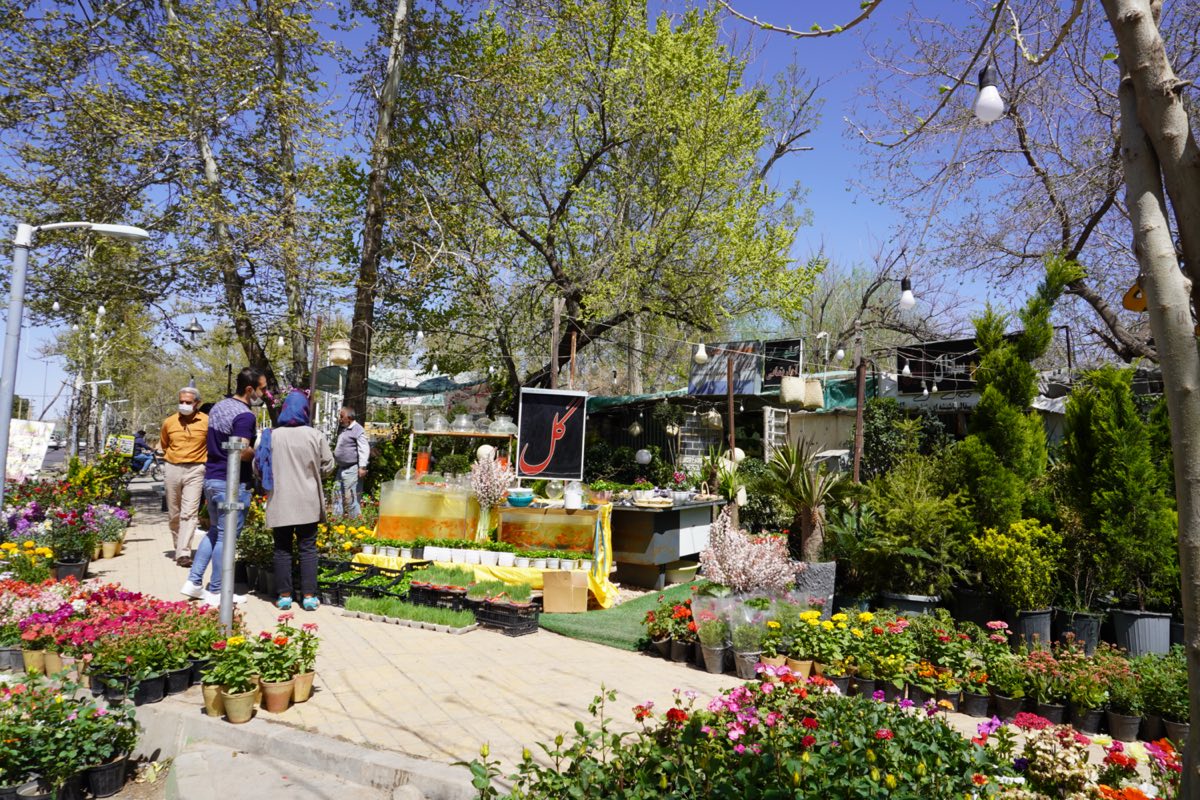
The Persian New Year begins just as the renewal of nature breathes life into the world: on the first day of spring. Nowruz (“Now” meaning new, and “ruz” meaning day) marks the first day of Iranian solar calendar.
According to legend, Nowruz came to be during the reign of Jamshid, the fourth king of the mythological Pishdadian Dynasty. It is written in Avesta, the ancient holy book of Zoroastrians, that God (Ahura Mazda) had ordered Jamshid to fight the Devil (Ahriman) that had caused a great deal of damage, such as draughts and famine. After Jamshid defeats the devil, merriment and prosperity return to the land, and the common people commemorate the day as a “new day” or “Nowruz”.
Haft Seen
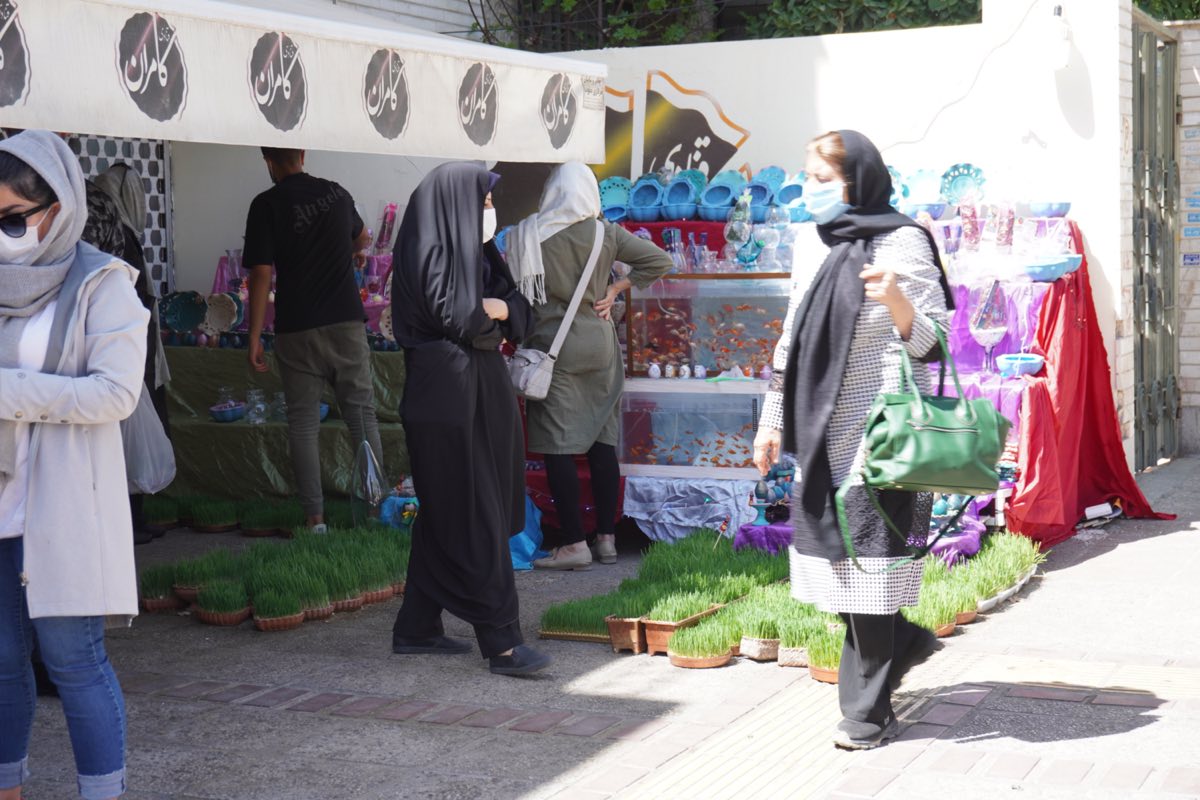
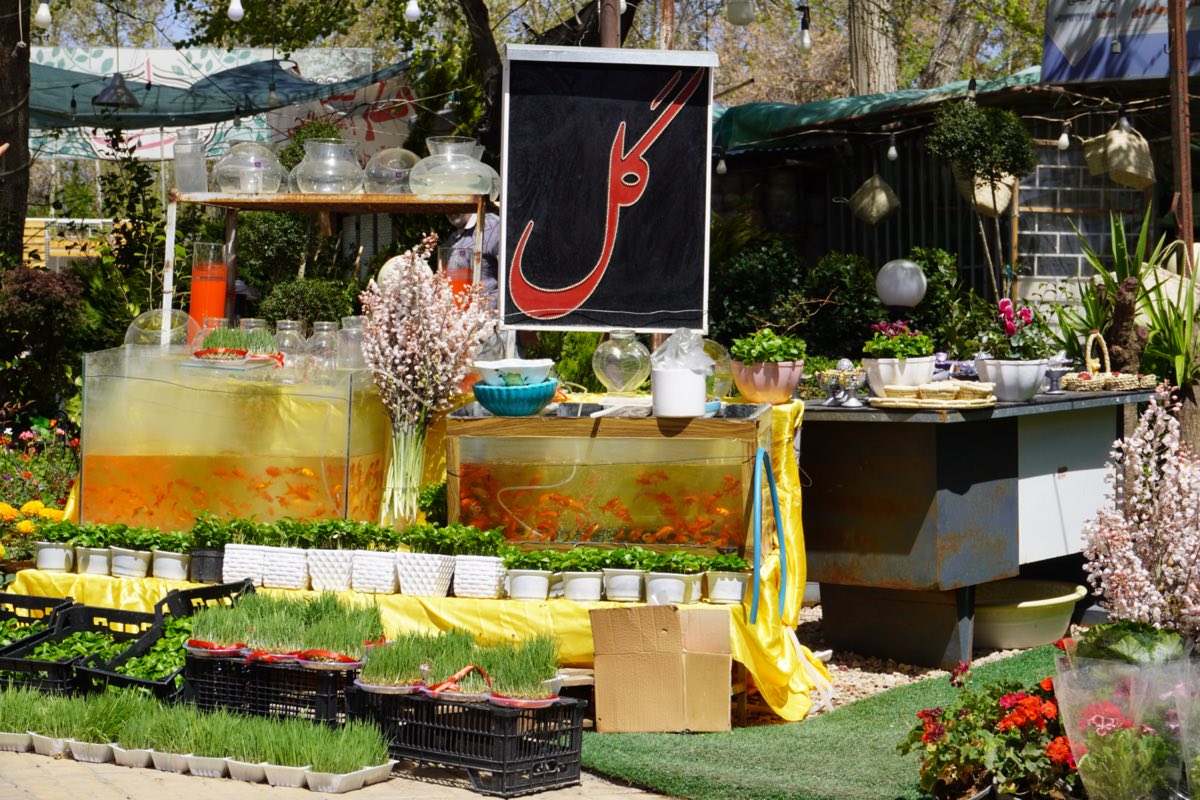
Haft-Seen refers to the seven symbolic items that are arranged and put on display during Nowruz. These items all start with the letter “seen” (the “s” sound in English), and each symbolize a specific concept.
-
Sabzeh (wheat, barley, mung bean, or lentil sprouts grown in a dish), symbolizing rebirth and growth
-
Samanu (wheat pudding), symbolizing strength
-
Senjed (oleaster), symbolizing love
-
Serkeh (vinegar), symbolizing patience
-
Seeb: apple, symbolizing beauty
-
Seer: garlic, symbolizing health
-
Somāq: sumac, symbolizing sunrise
Other items include hyacinth and coins, which symbolize the arrival of spring and wealth respectively.
Today in Shiraz, people also place Hafez’s book of poems among these items, along with a Quran, which is a testemant to the Islamic-Iranian heritage.
Customs
Before the coming of the New Year, many families make their own brand of Nowruz-related pastries, which they will place in front of visitors during the holidays.
During Nowruz, the young visit the elder members of their families, and in turn, the elder family members gift children with cash, which is called “Eidi”.
In a Nutshell
The Persian New Year, or Nowruz, begins on the first day of spring. On this day, Iranians arrange an assortment of objects starting with the letter “s”, each of which symbolize concepts such as strength, love, wealth, and so forth. This arrangement is called Haft-Seen. They also visit the elder family members where youngsters receive “eidi” (cash and sometimes other small gifts). In Shiraz, among the objects of Haft-Seen, many place Hafez’s book of poems, celebrating the heritage of their hometown.
Photos
More in Culture & history
A Brief Summary
There was likely a sizable settlement on the site of Shiraz in the ancient time frame and cuneiform records from the incredible…
Abbas Doran
Education Abbas Doran attended the Undergraduate Pilot Training Program at Columbus Air Force Base. He graduated in the autumn of 1972 as…
Abish Khatun
She was born in Shiraz around 1259/1260 to Salghurid Atabeg Sa'd II and Turkan Khatun - daughter of Mahmudshah, Atabeg of Yazd.…
After Islam
After the Arab invasion of Iran and the decay of the Estakhr city the importance of the Estakhr city was transferred to…