

Naghsh-e Rostam
Ancient necropolis carved through the cliffs, carrying hundred years of history and culture
By the About Shiraz team · First published 2021-12-30
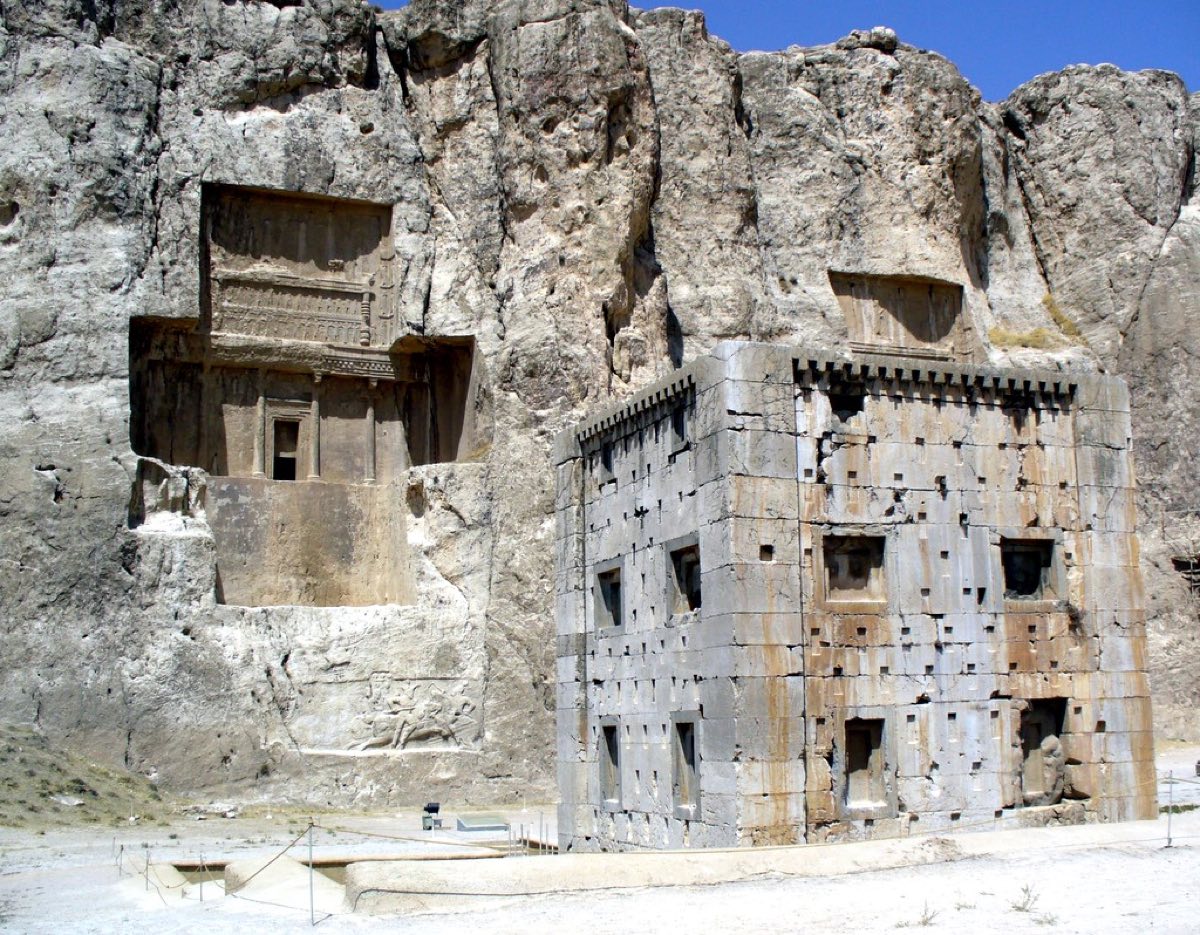
Right through the path from Shiraz to Persepolis, On a cliff towering a plain wrapped by mountains, is located a necropolis of the Achaemenid dynasty. In Naghsh-e Rostam, you can see the works of the Elamite, Achaemenid, and Sassanid periods, making it an invaluable cultural heritage.
- Section
- Travel › Sights
- Facts checked
- Timeless information; practical details are being re-checked
Naghsh-e Rostam
Right through the path from Shiraz to Persepolis, On a cliff towering a plain wrapped by mountains, is located a necropolis of the Achaemenid dynasty. In Naghsh-e Rostam, you can see the works of the Elamite, Achaemenid, and Sassanid periods, making it an invaluable cultural heritage. In addition, the tombs of several great kings such as Darius and Xerxes, Ardeshir I, and Darius II are located in Naghsh-e Rostam. Interestingly, there are exquisite relics from the Ardeshir Babakan's coronation and the victory of Shapur I over the Roman emperor. In ancient times, the square entrance doors were locked by large stones and sealed. Everything is identical, with the only difference being the cuneiform inscription above the tomb of Cyrus the Great and that of Xerxes. Another building in Naghsh-e Rostam is one that has actually been given the wrong name. After the Arab invasion, those who thought that every religion should have a center named the building the Kaaba of Zoroastrians. While the use of this building has been the preservation of the Avesta book and the court treasure. This treasury of ancient carvings was excavated by Ernst Herzfeld (German archaeologist and Iranologist) for the first time in 1923. Herzfeld excavated the last vestiges of Sasanian towers.
The Cube of Zoroaster
The Ka'ba-ye Zartosht, or the Cube of Zoroaster, is a stone quadrangular stepped structure in the Naqsh-e Rustam. This structure was built in the Achaemenid era, and there are mixed interpretations proposed for the chamber's purpose. Some consider the tower a fire temple used to ignite and worship the holy fire. While others believe that this chamber functioned for the safekeeping of royal documents and sacred religious books. Based on its similarities to the Tomb of Cyrus, and some mausoleums of Lycia and Caria, it is also anticipated as the mausoleum of one of the Achaemenid shahs or grandees. Though criticized to be too small for this pursuit. Other less noticed theories, such as a temple for the goddess Anahita or a solar calendar, have also been mentioned.
Photo by: Alireza Naderifard
Wrapping things up
Naghsh-e Rostam, located in the Haji Abad mountains of Fars, includes a historical site with the oldest buildings, tombs, relics, and inscriptions of ancient Iran. The difference between Naghsh-e Rostam and other historical attractions of Fars is the placement of works from three significant historical periods. Around Naghsh-e Rostam, other historical areas are an essential source for comprehending the civilization of ancient Iranians. Locating in a short distance from Persepolis, It is an easy shortstop to/from Persepolis and definitely worth visiting.
More in Sights
Afif-Abad Garden ●
A royal mansion within a lovely botanic garden
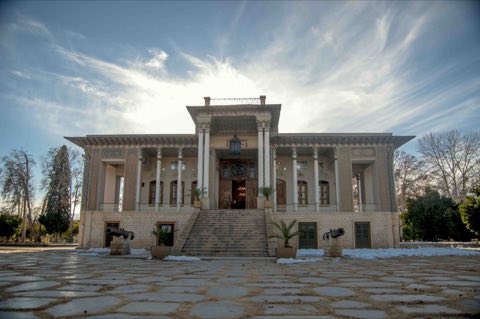
Afifabad Military Museum
Afifabad Garden and Museum is one of the historical centers of Fars province, built during the reign of Nasreddin Shah at the…
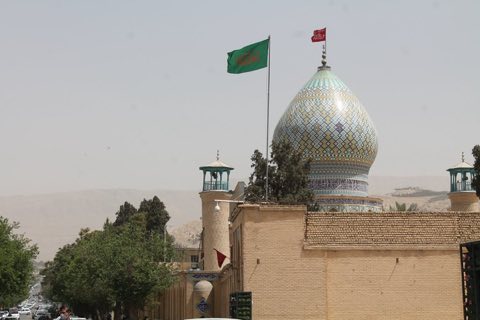
Ali Ibn Hamzeh Tomb
Ali Ibn Hamzeh Shrine is one of the famous mosques in Shiraz, which is located south of Quran Gate, next to Ali…
Arge karim khan e zand
The Arg of Karim Khan or Karim Khani Citadel is located in the northern part of Shiraz. The Arg of Karim Khan…